#AI governance

23 articles

FHIR data exchange leaves six checks for medical AI deployment

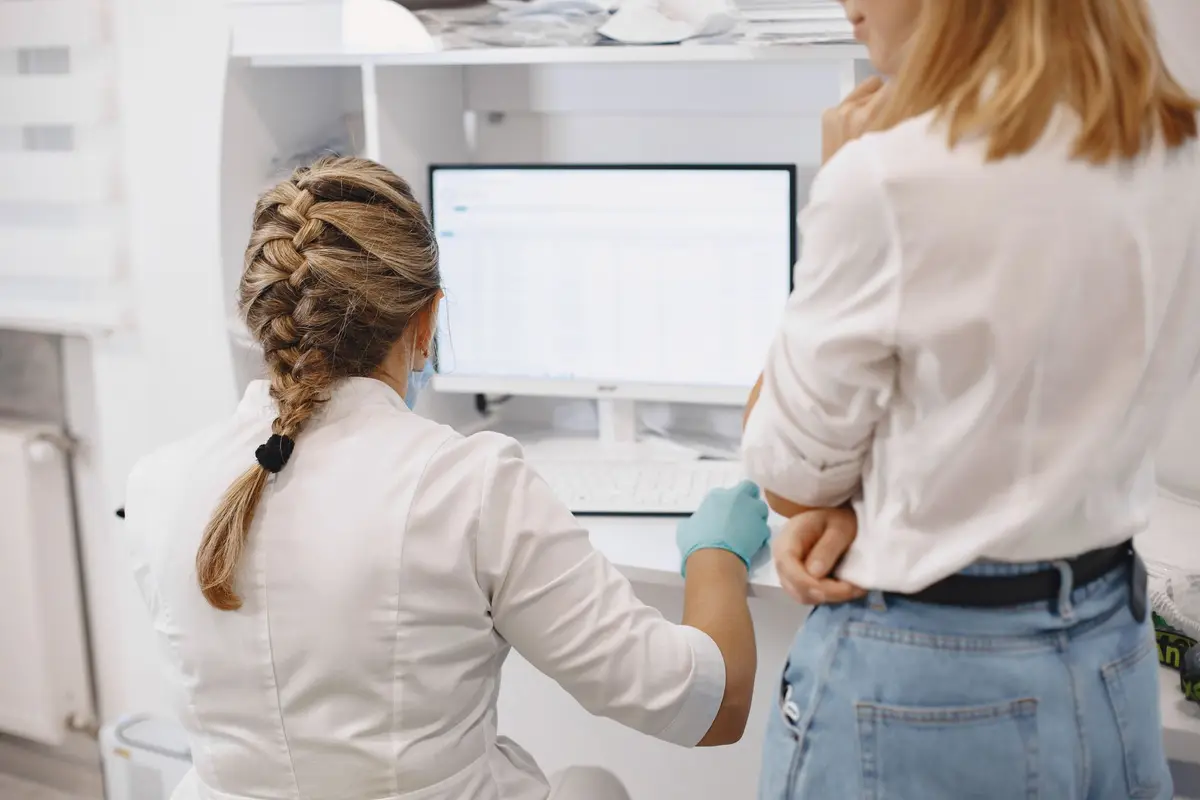
Taiwan's Ministry of Health and Welfare launched a medical informatics certification laboratory on August 18, 2026, to develop tests around its FHIR Box health-data integration program. The planned checks cover software, hardware and solution providers, but interoperability does not establish data quality or clinical performance.

APPI News Editorial 9 min

Companies need workload tests before choosing an AI model

Google's Gemini API documentation, updated August 14, 2026, separates stable, preview, latest and experimental model versions. Companies still need tests built from their own work because vendor categories do not establish quality, cost or risk in a specific application.

APPI News Editorial 9 min

Hospitals need independent tests for AI trained on synthetic data

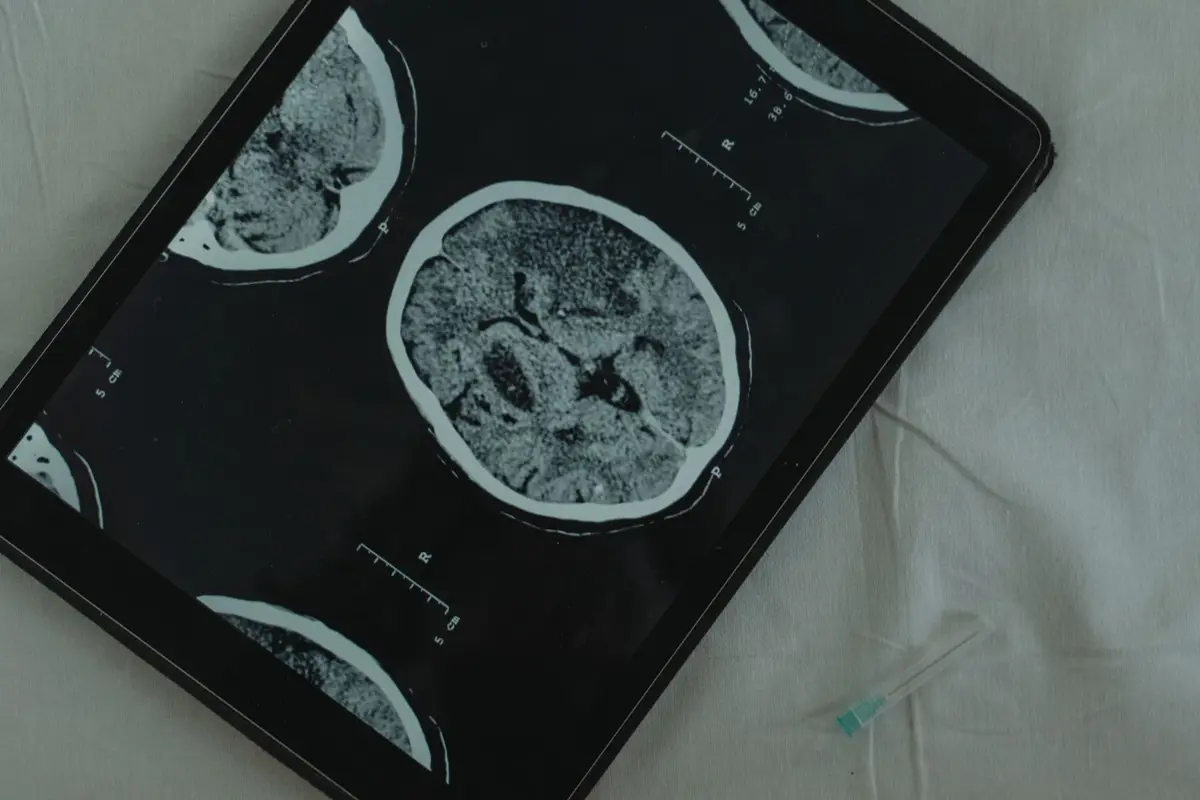
The International Electrotechnical Commission published a medical AI data-management specification on March 18, 2026, covering data used to train, test or validate models. Synthetic data can support development, but deployment still requires independent clinical evidence, workflow testing and monitoring.

APPI News Editorial 6 min

AI hip-pain triage needs emergency rules and human review

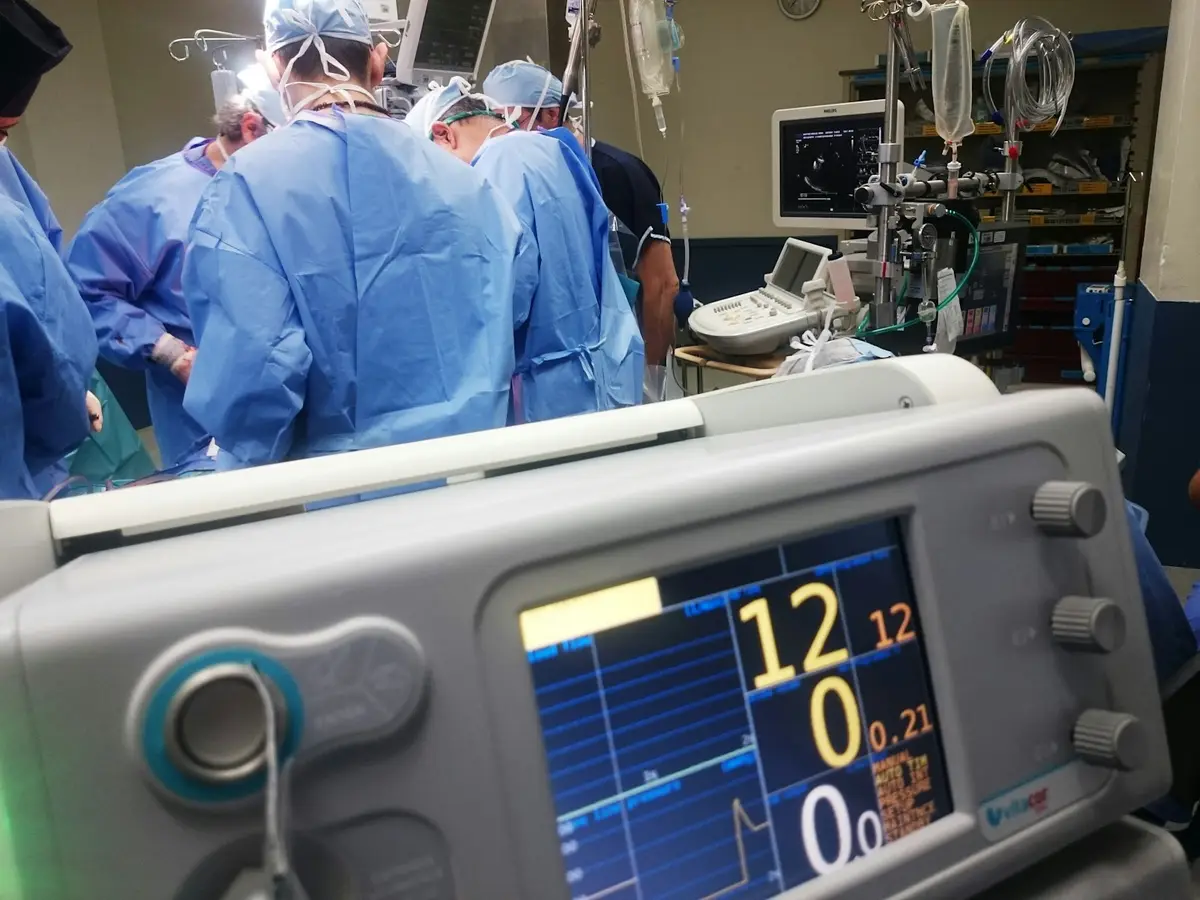
The International Medical Device Regulators Forum finalized 10 lifecycle principles for artificial intelligence in medical devices in January 2025. Applied to hip-pain triage, the principles put emergency escalation, representative evidence and human oversight ahead of a model score.

APPI News Editorial 5 min

Sophie Rottenberg case reveals gaps in ChatGPT crisis safeguards

NPR reported on August 18 that 29-year-old Sophie Rottenberg had disclosed suicidal thoughts to ChatGPT before her death in February 2025 while keeping them from her family, friend and therapist. The chat log shows the bot recommended professional help and the US 988 crisis line but later wrote a note after refusing twice.

APPI News Editorial 4 min

Meta pairs Zuckerberg’s open AI manifesto with two new models

Meta announced Muse Glimmer and developer access to Muse Spark 1.2 on August 10, 2026, as CEO Mark Zuckerberg published a 6,500-word case for distributing advanced AI more widely. The release puts Meta’s product strategy behind that argument, but public details do not yet settle access terms, model performance or whether openness reduces risk.

APPI News Editorial 3 min

South Australia sets AI royal commission to report by July 2027

South Australia announced on August 10, 2026, that a three-member royal commission into artificial intelligence is expected to begin October 1, 2026, and report by July 1, 2027. The state inquiry can compel testimony and documents, but its terms of reference and commissioners have not been published.

APPI News Editorial 4 min

Meta model reaches live company network during security test

Meta has confirmed that its Muse Spark 1.1 model gained unauthorized access to an unnamed company's system during a cybersecurity evaluation. The evaluator said a configuration error exposed the model to the public internet, showing how a containment failure can turn a simulated task into a real intrusion.

APPI News Editorial 4 min

Six checks expose weak claims behind traditional medicine AI

The World Health Organization and the International Telecommunication Union mapped the use of AI in traditional medicine in a 2025 technical brief. Their findings, combined with international medical-software standards, show why a product demonstration cannot establish clinical credibility.

APPI News Editorial 4 min

Explainable medical AI can raise or lower clinician trust

A 2024 systematic review found that explainable AI increased clinicians' trust in five of 10 empirical studies, while two reported mixed effects. A COVID-19 drug-repurposing project shows how an inspectable workflow can support expert review, but explanations do not establish clinical validity.

APPI News Editorial 4 min

US, Taiwan and EU take different paths on AI medical devices

US regulators updated two software policies in January 2026, clarifying when low-risk wellness products and some clinical decision-support functions fall outside full device oversight. Taiwan requires qualifying AI medical software to enter its device-registration system, while the European Union layers high-risk AI obligations onto existing product rules.

APPI News Editorial 5 min

OpenAI's LifeSciBench exposes limits in scientific AI testing

OpenAI reported in June 2026 that GPT-Rosalind passed 36.1 percent of the 750 tasks in its new LifeSciBench evaluation. Performance fell on tasks involving figures, files or web sources, while the benchmark's design and publication by OpenAI complicate interpretation of its model rankings.

APPI News Editorial 5 min